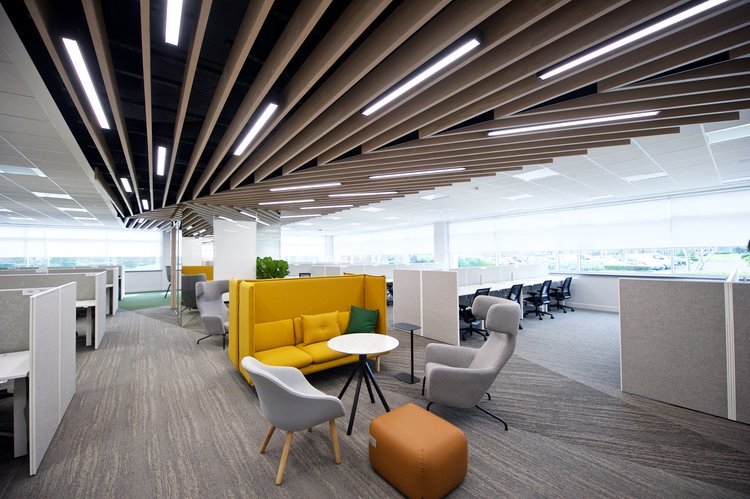
An office renovation is a significant undertaking that requires careful planning and consideration to ensure a successful outcome. Whether it’s updating the layout, improving functionality, or enhancing aesthetics, a well-executed renovation can transform the workspace and contribute to the overall success of a business. Here are some key considerations to keep in mind when planning an office renovation project.
Set Clear Objectives
Start by defining the goals and objectives of the renovation. Determine what aspects of the office need improvement, whether it’s creating a more collaborative environment, enhancing employee well-being, or accommodating growth. Clear objectives will guide the decision-making process and help prioritize tasks during the renovation.
Budget Planning
Establishing a realistic budget is essential for any renovation project. Consider all the potential costs, including construction, materials, furniture, technology upgrades, and professional services. It’s also wise to set aside a contingency budget for unexpected expenses that may arise during the renovation.
Space Assessment
Evaluate the current office space and assess its strengths and weaknesses. Consider factors such as natural light, traffic flow, noise levels, and storage requirements. Identifying any inefficiencies or areas in need of improvement will inform the design and layout decisions for the renovation.
Design and Layout
Work with an experienced architect or designer to develop a well-thought-out design and layout plan. Consider the company’s workflow, departmental needs, and future growth projections. Incorporate flexible and adaptable spaces that can evolve with changing business needs. For example, modular meeting rooms can be designed to provide flexible meeting spaces that can be easily reconfigured to accommodate different group sizes and purposes.
Employee Engagement
Involve employees in the renovation process by seeking their input and feedback. Conduct surveys or hold meetings to understand their needs and preferences. Engaging employees in the planning phase can improve buy-in and ensure that the renovated space meets their requirements, boosting morale and productivity.
Technology Integration
Assess the current technological infrastructure and determine if upgrades or improvements are necessary. Consider factors such as IT requirements, communication systems, audiovisual capabilities, and security needs. Planning for technology integration during the renovation ensures a seamless transition and minimizes disruptions to workflow.
Safety and Compliance
Ensure that the renovation project complies with all applicable building codes, regulations, and safety standards. Work with professionals who are knowledgeable about local requirements to ensure the project meets all necessary criteria. Additionally, consider implementing safety measures to protect employees and contractors during the renovation process.
Minimize Disruptions
A well-planned renovation should aim to minimize disruptions to daily operations. Develop a detailed timeline and communicate the renovation schedule to employees and stakeholders. Consider phasing the renovation to allow for the continued operation of essential functions. Temporary workspaces or alternative arrangements may be necessary during specific phases of the renovation.
Sustainability and Energy Efficiency
Incorporate sustainable practices and energy-efficient solutions into the renovation. Consider using environmentally friendly materials, implementing efficient lighting systems, and optimizing HVAC systems. Energy-efficient practices not only reduce the environmental impact but also contribute to long-term cost savings.
Professional Expertise
Engage professionals who specialize in office renovations, such as architects, designers, contractors, and project managers. Their expertise and experience will help ensure a smooth and successful renovation project. Collaborate closely with them to communicate your vision and expectations.
Careful planning and consideration are crucial for a successful office renovation project. Setting clear objectives, budgeting effectively, assessing the space, engaging employees, integrating technology, ensuring compliance, minimizing disruptions, and prioritizing sustainability are key factors to consider. By addressing these considerations, including the incorporation of modular meeting rooms to provide flexibility and adaptability, businesses can achieve a well-executed renovation that enhances productivity, employee satisfaction, and overall performance in the workplace.